Prenatal Vitamins: What to Take Before and During Pregnancy
Prenatal vitamins are meant to fill common nutrition gaps, not replace food. The most helpful approach is simple: take the few supplements that matter most at the right time, and avoid high doses you do not need.
This article focuses on what is commonly recommended before pregnancy and during pregnancy, plus what to be careful about.
Disclaimer: This is general education, not medical advice. Always check with a qualified healthcare professional, especially if you have a medical condition or take chronic medication.
The one supplement that matters most before you conceive
Folic acid
If you are trying to fall pregnant, folic acid is the priority because the baby’s brain and spine start forming very early, often before you even know you are pregnant. Many guidelines recommend 400 micrograms daily before pregnancy and through the first 12 weeks.
If you did not take folic acid before conception, start as soon as you find out you are pregnant.
Some people are advised to take a higher dose (usually prescribed) because they have a higher risk of neural tube defects, for example a previous pregnancy affected by a neural tube defect, diabetes, or some anti epileptic medicines. This is something to discuss with a clinician rather than self selecting a high dose.
What most people should take during pregnancy
A prenatal vitamin that includes folate
Most prenatal vitamins include folate or folic acid. The key is to check the label so you are not guessing.
Vitamin D
Vitamin D supports bone health and is commonly recommended during pregnancy, especially when sun exposure is low. NHS guidance notes that many people may need a daily supplement of 10 micrograms during autumn and winter, including pregnant and breastfeeding women.
Iodine
Iodine supports thyroid function, which is important for pregnancy and baby’s development. Many professional organisations recommend an iodine supplement in pregnancy, and a common amount seen in prenatals is around 150 micrograms, but not all prenatal vitamins contain iodine.
Practical tip: always confirm iodine is actually in your prenatal, especially if you use gummies, because some formulations leave out key minerals.
Iron
Iron needs increase in pregnancy, and many prenatal vitamins contain iron. If you are low in iron, your clinician may recommend extra iron or specific dosing based on your blood tests. ACOG highlights iron as an important nutrient in pregnancy and discusses prenatal vitamins as part of healthy eating guidance.
Helpful sometimes, not always needed for everyone
These depend on diet, lab results, or personal risk factors.
DHA or omega 3
Some prenatals include DHA. Others do not. DHA can be useful, especially if you rarely eat fish, but it is not “mandatory” for everyone. If you want it, choose a reputable product and avoid extreme doses.
Calcium
Calcium is important, but many prenatal vitamins do not contain a full day’s worth because tablets would be too large. If your diet is low in dairy or calcium rich foods, you may need to focus on food first, or ask a clinician about supplementation.
Choline
Choline is important in pregnancy, but many prenatals contain little or none. This is often better addressed through food, depending on your diet.
What to avoid or be careful with
Do not double up on prenatals
Taking two different prenatals, or stacking multiple multivitamins, can push some nutrients too high.
Be cautious with vitamin A
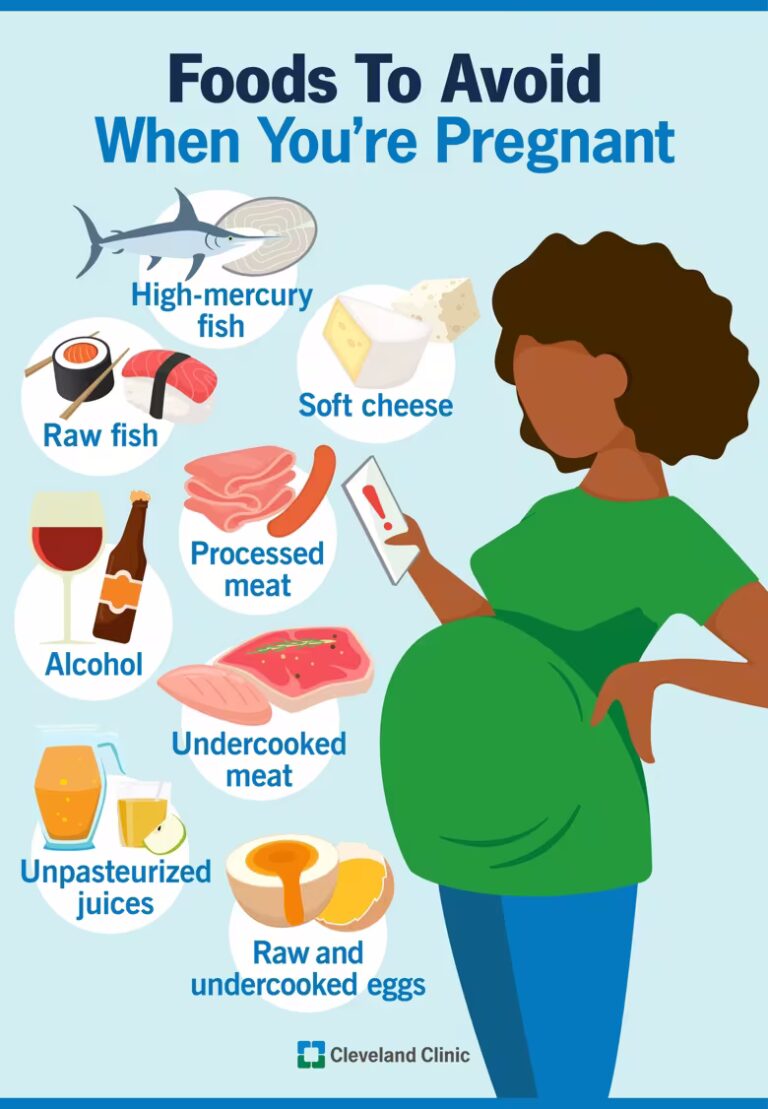
Pregnant women and women trying to conceive are often advised to avoid supplements containing vitamin A, including fish liver oil, unless a doctor specifically advises it. Also avoid liver and liver products because they can be high in vitamin A.
Watch out for “gummy” limitations
Many gummy prenatals do not contain iron and may miss other key nutrients. Always check the label instead of assuming it covers everything.
Herbal blends and “fertility boosters”
If a product includes lots of herbs, detox claims, or hormone promises, be cautious. Pregnancy is not the time for untested blends.
A simple, sensible plan
If you want a practical routine that works for most people:
Before pregnancy
Take folic acid daily, ideally starting as you begin trying.
During pregnancy
Use one quality prenatal vitamin and check it includes folate, and consider vitamin D and iodine if they are not included.
If you have a medical condition, take chronic medication, or have had pregnancy complications before, speak to a clinician early because your needs may differ.
Final thought
Prenatal vitamins should make pregnancy healthier and simpler, not more confusing. Focus on the few nutrients with clear benefit, avoid megadoses, and use blood tests and professional advice when you are unsure.