Ovarian Ectopic Pregnancy: Symptoms and Emergency Signs
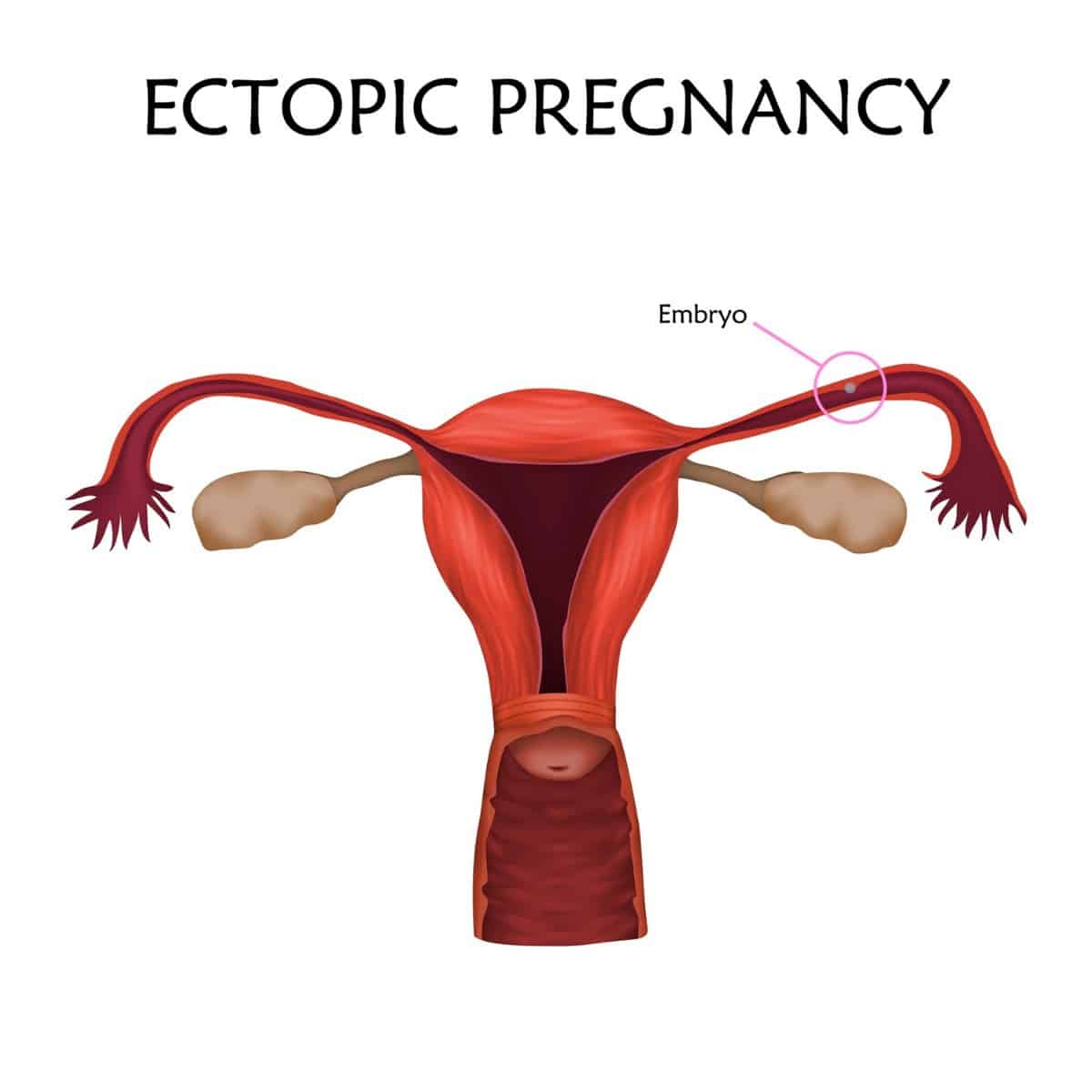
An ectopic pregnancy happens when a fertilised egg implants outside the uterus, where a pregnancy cannot develop normally. Most ectopic pregnancies occur in a fallopian tube, but in rare cases implantation can happen elsewhere. One of the rarest locations is the ovary, which is why it is called an ovarian ectopic pregnancy.
This is a medical emergency risk, not because every case is immediately life-threatening, but because ectopic pregnancies can rupture and cause severe internal bleeding.
Disclaimer: This article is general education, not medical advice. If you suspect an ectopic pregnancy, seek urgent medical care.
What is an ectopic pregnancy?
An ectopic pregnancy is a pregnancy implanted outside the uterus. It cannot be moved to the uterus and cannot continue normally. Without treatment, it can cause life-threatening bleeding.
What makes an ovarian ectopic pregnancy different?
An ovarian ectopic pregnancy is when implantation happens in the ovary rather than the uterus or tube. It is rare compared to tubal ectopic pregnancy.
The symptoms often look the same as a tubal ectopic pregnancy, which is why diagnosis usually relies on urgent assessment, ultrasound, and blood tests, not home guessing.
Warning signs to take seriously
Ectopic pregnancy symptoms can start like a normal early pregnancy at first, then become more concerning. Any of the following should be treated as urgent when pregnancy is possible.
Common warning signs
Vaginal bleeding that is not like your normal period
Lower abdominal or pelvic pain, often on one side
Red flags that need emergency care now
Sudden, severe abdominal or pelvic pain
Shoulder tip pain
Weakness, dizziness, or fainting
These can be signs of internal bleeding from a ruptured ectopic pregnancy, which is life-threatening.
Why this needs urgent care
An ectopic pregnancy cannot develop normally, and the growing tissue can damage nearby structures. If rupture happens, bleeding can be rapid and dangerous. That is why medical organisations advise going to emergency care if you have severe pain, shoulder pain, or faintness when ectopic pregnancy is possible.
What care usually involves
Doctors typically use a combination of:
A pregnancy test and blood tests (including hCG)
An ultrasound to look for a pregnancy in the uterus and check the pelvis
Treatment depends on how early it is, your symptoms, and whether there is bleeding.
Medication in selected cases
If an ectopic pregnancy is found early and you are stable, treatment may involve a medication called methotrexate to stop the pregnancy tissue from growing. This is used only when the diagnosis is clear and the situation is stable.
Surgery in other cases
If there is heavy bleeding, suspected rupture, or the situation is not stable, surgery is often needed. For ovarian ectopic pregnancy specifically, surgical management is commonly recommended because it can confirm the diagnosis and treat it.
When to go to a clinic even if symptoms are mild
Please do not wait if:
You have a positive pregnancy test and bleeding or pain
You have a missed period with pain and unusual bleeding
You have repeated negative tests but pregnancy is still possible and symptoms are worrying
If you are unsure, it is safer to be assessed and told it is not ectopic than to stay home.
Final thought
Ovarian ectopic pregnancy is rare, but the message is simple: pain and bleeding in early pregnancy should always be checked, especially if the pain is one-sided or you feel faint. Early care protects your health and can prevent a dangerous emergency.
Disclaimer: This article is general education, not medical advice. If you have severe pain, shoulder tip pain, dizziness, or fainting, seek emergency care immediately.