Why Many South African Men Ignore Preventive Health Until It’s Too Late
In many South African communities, men are often expected to stay strong, keep working, and push through discomfort without complaining. Whether it is long working hours, financial pressure, family responsibilities, or the daily stress of commuting and surviving a demanding economy, health usually becomes something that gets attention only after a serious problem appears.
For many men, preventive health is rarely part of everyday conversation. Doctor visits are often delayed, unhealthy habits become normalized, and signs of burnout or exhaustion are ignored for months or even years. Unfortunately, this approach can slowly affect physical health, mental wellness, relationships, and overall quality of life.
Preventive health is not only about avoiding illness. It is about building healthier daily habits that support long-term energy, wellness, and balance before serious problems develop.
Why Preventive Health Often Gets Ignored
Many South African men grow up hearing phrases like:
- “Real men don’t complain.”
- “Just push through it.”
- “You’ll be fine.”
Over time, this mindset can make it difficult to pay attention to personal wellness. Small warning signs such as constant fatigue, poor sleep, headaches, stress, or unhealthy eating habits may seem normal because they become part of daily life.
For men working long hours in construction, transport, retail, mining, security, office environments, or physically demanding jobs, health often takes a back seat to responsibilities. Some men leave home before sunrise and return late in the evening exhausted, making it difficult to focus on exercise, healthy meals, hydration, or proper rest.
Financial pressure also plays a role. Many people prioritize providing for family needs before thinking about their own health and wellness.
The Problem With Waiting Too Long
Ignoring health concerns does not always create immediate problems. That is what makes preventive health easy to overlook.
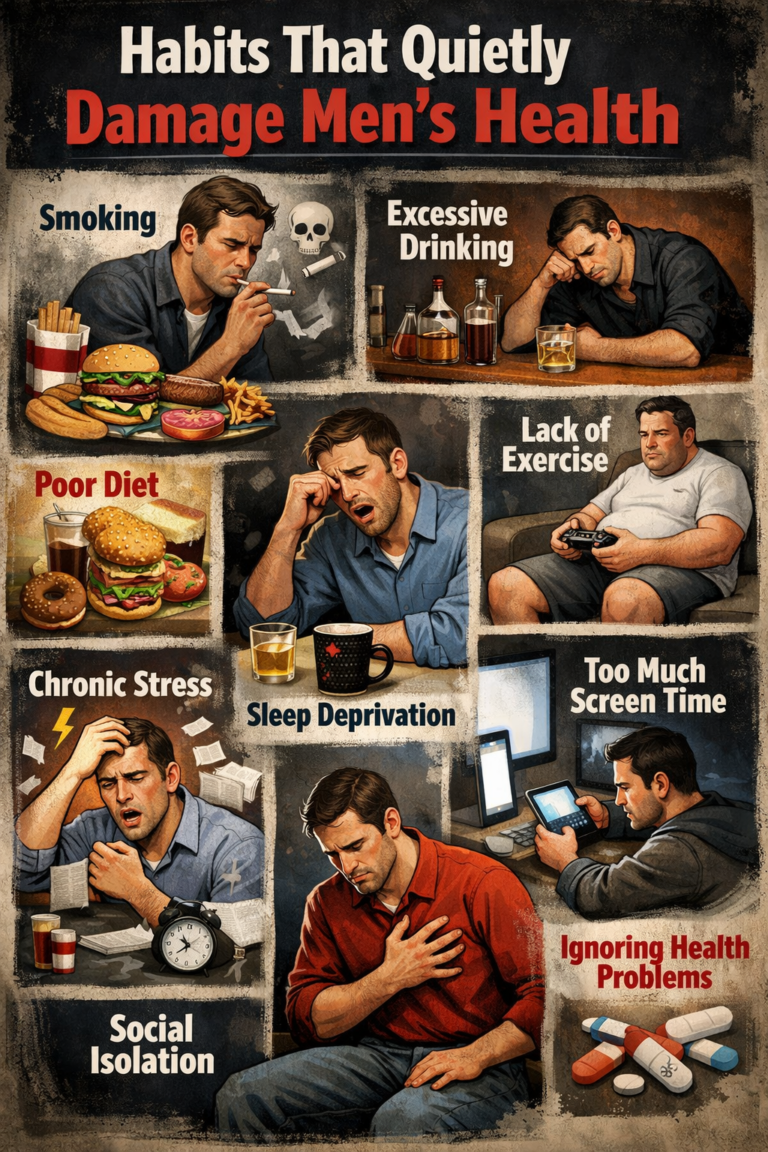
Small unhealthy habits can slowly build over time:
- poor sleep
- dehydration
- smoking
- excessive alcohol consumption
- lack of physical activity
- high stress levels
- processed foods
- constant exhaustion
At first, these habits may only cause low energy or mood changes. But over the years, they can affect overall wellness and daily functioning.
Many men only begin paying attention to their health after:
- struggling with constant fatigue
- gaining excessive weight
- experiencing stress-related burnout
- feeling mentally exhausted
- noticing reduced physical fitness
- developing ongoing lifestyle-related health concerns
By that stage, changing habits often becomes more difficult.
Long Working Hours and South African Lifestyle Challenges
Life in South Africa can be physically and mentally demanding. Long commutes, traffic, shift work, load shedding stress, rising food prices, and irregular work schedules all affect healthy routines.
For example, many working men:
- skip breakfast
- drink too little water during the day
- rely heavily on fast food
- sit for long periods without movement
- sleep fewer than six hours
- use energy drinks to stay awake
These habits may seem harmless in the short term, but they gradually affect energy levels, focus, sleep quality, and overall wellness.
Outdoor workers also face additional challenges, especially during hot weather conditions. Dehydration is common among men working in construction, security, delivery services, agriculture, and transport industries.
Why Preventive Health Matters
Preventive health focuses on small daily actions that support long-term wellness before serious health problems appear.
This includes:
- eating balanced meals
- staying hydrated
- sleeping properly
- managing stress
- exercising regularly
- reducing harmful habits
- paying attention to mental wellness
Preventive health is not about perfection. It is about consistency.
Simple improvements made over time can positively affect:
- energy levels
- mood
- concentration
- productivity
- sleep quality
- physical fitness
- emotional wellbeing
Small Habits That Make a Big Difference
Many men believe healthy living requires expensive gym memberships or extreme lifestyle changes. In reality, small daily habits are often more sustainable.
Start Drinking More Water
Many people underestimate how dehydration affects the body. Fatigue, headaches, dizziness, and poor concentration are sometimes linked to low water intake.
Men who work outdoors or spend long hours commuting should pay extra attention to hydration, especially during warmer months.
Improve Sleep Routine
Sleep is often sacrificed because of busy schedules, late-night entertainment, or work pressure. However, poor sleep can affect energy, focus, stress levels, and daily performance.
Creating a consistent sleep schedule and reducing screen time before bed can help improve rest quality.
Move More During the Day
Not everyone has time for the gym. Simple movement still matters:
- walking regularly
- stretching
- home workouts
- taking stairs
- short evening walks
Even small amounts of physical activity can improve overall wellness.
Reduce Dependence on Fast Food
Busy schedules make convenience foods tempting, but relying heavily on processed meals may affect long-term health.
Simple changes such as:
- cooking at home more often
- reducing sugary drinks
- eating more vegetables
- choosing healthier snacks
can make a noticeable difference over time.
Mental Wellness Is Part of Health Too
One area many men struggle to discuss openly is mental wellness.
Stress, financial pressure, relationship challenges, unemployment concerns, and work responsibilities can affect emotional health without obvious warning signs.
Some men respond by:
- isolating themselves
- avoiding conversations
- overworking
- drinking excessively
- ignoring emotional stress
Preventive health also means paying attention to mental and emotional wellbeing.
Talking to trusted friends, family members, community leaders, or professional support services can help reduce emotional pressure and improve overall balance.
Changing the Mindset Around Men’s Health
Preventive health should not be viewed as weakness. Paying attention to personal wellness is part of maintaining a healthier and more stable life.
Looking after your health can help you:
- remain active longer
- support your family better
- improve productivity
- reduce long-term health risks
- maintain better energy and focus
Small changes made consistently are often more powerful than drastic short-term efforts.
On a final note:
Many South African men spend years focusing on work, responsibilities, and survival while ignoring small warning signs from their bodies and minds. Unfortunately, waiting until health problems become serious often makes recovery more difficult.
Preventive health is not about fear or perfection. It is about making practical daily choices that support long-term wellness.
Simple habits like drinking enough water, improving sleep, reducing stress, eating balanced meals, and staying physically active may not seem dramatic, but over time they can significantly improve quality of life.
Health should not only become important during a crisis. Small actions taken today can help build a healthier future tomorrow.