Lifestyle Habits That May Affect Hormonal Balance in Men
Hormones play an important role in men’s overall wellness. They help regulate energy levels, mood, sleep, muscle development, metabolism, concentration, and even emotional wellbeing. However, many men do not think about hormonal health until persistent fatigue, low motivation, poor sleep, or lifestyle burnout begins affecting daily life.
In reality, hormonal balance is often influenced by everyday habits. Stress, sleep patterns, diet, physical activity, alcohol consumption, and long-term lifestyle routines can all affect how the body functions over time.
For many South African men balancing demanding work schedules, financial pressure, long commutes, and family responsibilities, maintaining healthy routines can become difficult. Unfortunately, unhealthy habits that seem small at first may gradually influence overall wellness and energy levels.
Understanding how lifestyle choices may affect hormonal balance can help men make healthier long-term decisions before problems become more serious.
What Is Hormonal Balance?
Hormones are chemical messengers that help different systems in the body communicate properly. In men, hormones such as testosterone and cortisol influence:
- energy
- stress response
- mood
- sleep
- muscle maintenance
- focus
- motivation
Hormonal balance does not mean perfection. Hormone levels naturally change with age, stress, activity levels, and lifestyle patterns. However, certain daily habits may place additional strain on the body over time.
Poor Sleep Habits
One of the biggest lifestyle factors affecting men’s wellness is poor sleep.
Many people underestimate how important sleep is for recovery and overall health. Men who regularly sleep for only a few hours may begin noticing:
- low energy
- irritability
- reduced concentration
- daytime fatigue
- lack of motivation
Modern lifestyles often make proper sleep difficult. Long work hours, side hustles, shift work, late-night screen time, and load shedding disruptions can affect healthy sleep routines across South Africa.
Over time, inconsistent sleep patterns may place stress on the body and affect hormonal regulation.
Simple Sleep Improvements
Healthy sleep habits may include:
- maintaining a consistent bedtime
- reducing screen time before sleep
- limiting caffeine late in the day
- creating a calmer sleeping environment
- getting enough rest regularly
Small changes can gradually improve sleep quality and daily energy levels.
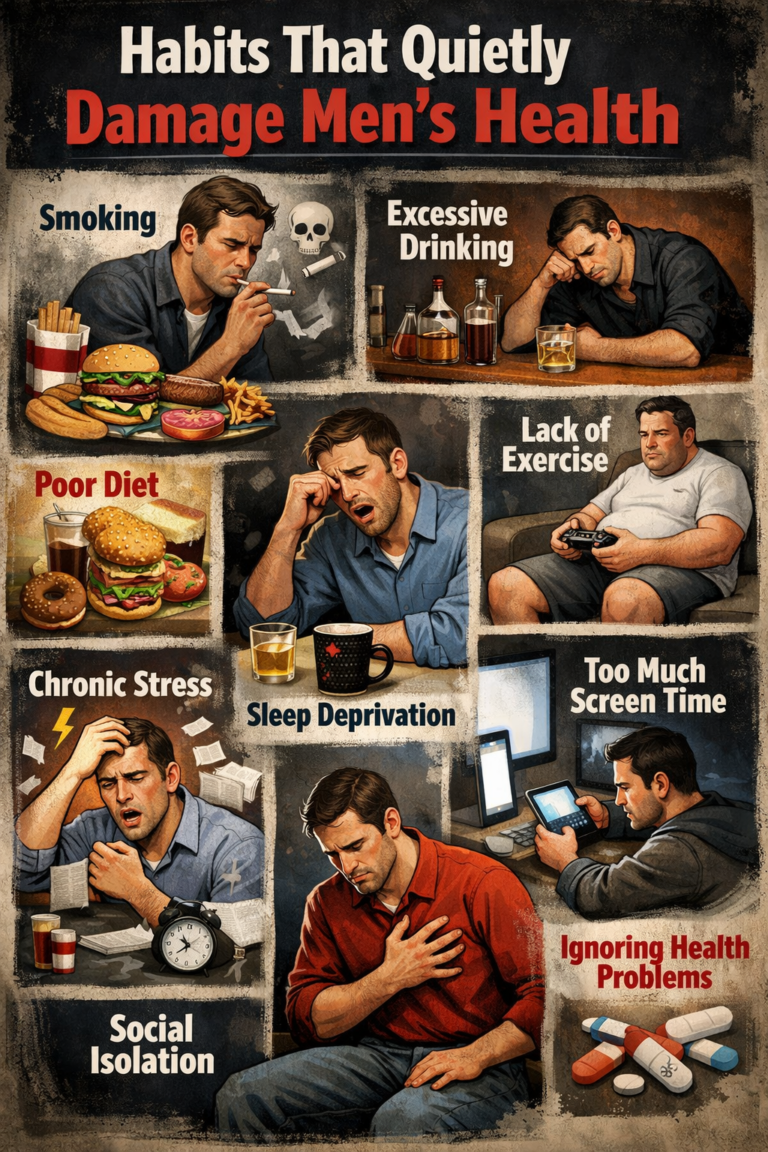
Chronic Stress and High Cortisol Levels
Stress is part of life, but ongoing stress without proper recovery may affect overall wellness.
When the body experiences constant stress, it produces higher levels of cortisol, often called the “stress hormone.” While cortisol helps the body respond to pressure, long-term stress may contribute to:
- exhaustion
- sleep problems
- low motivation
- emotional burnout
- unhealthy eating habits
Many South African men face daily stress related to:
- financial pressure
- unemployment concerns
- demanding jobs
- long commuting hours
- family responsibilities
Unfortunately, some people cope with stress by:
- overeating
- drinking excessively
- smoking
- avoiding rest
- isolating themselves emotionally
Healthy stress management plays an important role in long-term wellness.
Poor Diet and Processed Foods
Nutrition also affects how the body functions.
Busy schedules often lead many people to rely heavily on:
- takeaways
- sugary drinks
- processed snacks
- fast food meals
While convenience foods may save time, consistently poor eating habits can affect energy levels, weight management, and general wellbeing over time.
Some men skip meals entirely during busy workdays and later overeat at night, which may also affect energy and recovery.
Healthier Daily Food Habits
Small dietary improvements may include:
- drinking more water
- eating more vegetables
- reducing sugary beverages
- preparing meals at home more often
- choosing balanced meals with protein and fiber
Healthy eating does not require expensive diets or perfection. Consistency matters more than extreme restrictions.
Lack of Physical Activity
Modern work environments often involve long hours of sitting, commuting, or physical inactivity.
Exercise supports more than physical appearance. Regular movement may help support:
- energy levels
- sleep quality
- stress management
- emotional wellbeing
- overall fitness
Not every man has time for the gym, especially with demanding schedules. However, small forms of movement still matter:
- walking regularly
- stretching
- home workouts
- weekend sports
- using stairs instead of elevators
Even moderate physical activity can positively support long-term wellness habits.
Excessive Alcohol Consumption
Alcohol is often normalized in many social settings, including weekend gatherings, celebrations, and social events.
While moderate alcohol use may not affect everyone the same way, excessive drinking over long periods may negatively affect:
- sleep quality
- recovery
- stress levels
- energy
- weight management
Some men also use alcohol as a coping mechanism for emotional stress or pressure, which can create unhealthy long-term patterns.
Building healthier coping habits is an important part of overall wellness.
Ignoring Mental Wellness
Mental wellness is closely connected to physical health.
Men are sometimes encouraged to suppress emotions or avoid discussing stress openly. Over time, emotional strain can affect:
- motivation
- concentration
- sleep
- relationships
- daily productivity
Preventive wellness also includes paying attention to emotional wellbeing and stress management.
Simple habits such as:
- taking breaks
- speaking with trusted friends
- resting properly
- exercising
- limiting burnout
can support better balance over time.
Why Preventive Lifestyle Habits Matter
Many lifestyle-related wellness concerns develop slowly. That is why preventive health matters.
Small unhealthy habits repeated daily can gradually affect energy, recovery, stress management, and overall quality of life. On the other hand, consistent healthy routines may support long-term wellbeing.
Men do not need perfect lifestyles to improve their wellness. Small sustainable changes are often more realistic and easier to maintain over time.
Final Thoughts
Hormonal balance is influenced by more than age alone. Daily lifestyle habits such as sleep, stress management, nutrition, exercise, and emotional wellbeing all play a role in how the body functions.
For many South African men dealing with demanding schedules and everyday pressure, wellness is often ignored until exhaustion or burnout becomes difficult to manage. However, preventive lifestyle habits can help support healthier routines before problems become more serious.
Improving sleep, reducing stress, staying active, eating balanced meals, and paying attention to mental wellness may not create overnight changes, but over time these habits can positively support long-term health and energy levels.