Why Many Men Experience Hair Thinning Earlier Than Expected
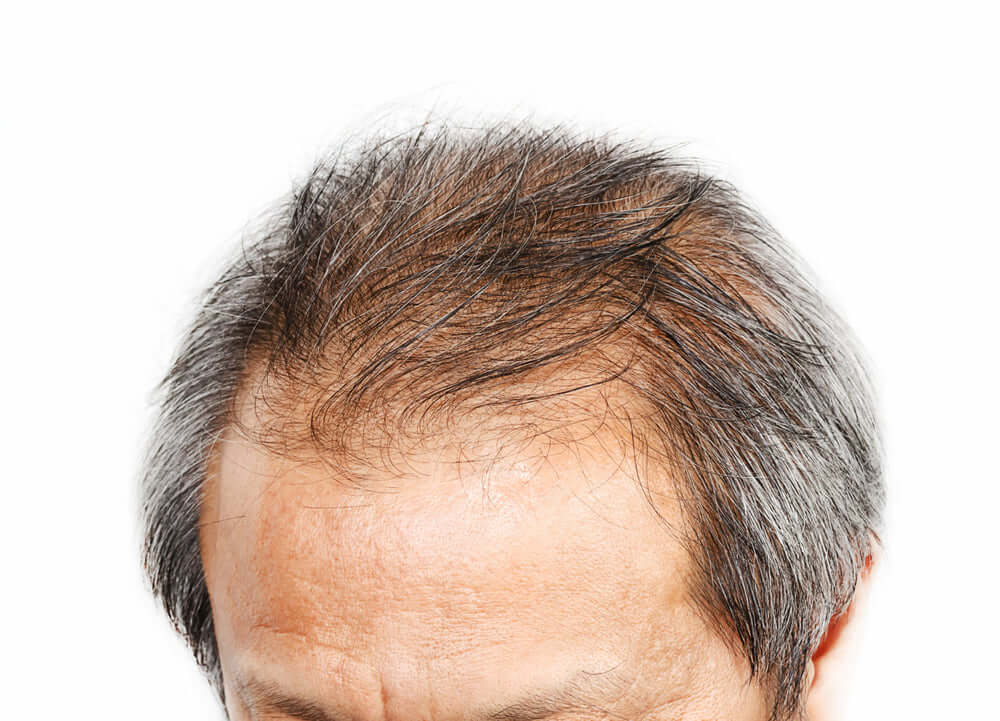
Hair thinning is something many men quietly notice but rarely talk about openly. For some, it starts with a slightly receding hairline. Others notice more hair on pillows, in the shower, or after visiting the barber. Over time, thinning hair can begin affecting confidence, self-image, and even emotional wellbeing.
While hair thinning is common, many men are surprised when it begins earlier than expected. Some experience changes in their twenties or thirties, long before they imagined it would happen. In many cases, hair thinning is influenced by a combination of genetics, lifestyle habits, stress, grooming routines, and overall wellness.
For South African men balancing demanding schedules, financial pressure, long working hours, and daily stress, healthy self-care routines are often overlooked. Unfortunately, certain lifestyle habits may gradually affect hair and scalp health over time.
Understanding the possible factors linked to hair thinning can help men pay closer attention to their overall wellness and daily habits.
Hair Thinning Is More Common Than Many Men Think
Hair thinning affects men from different backgrounds, lifestyles, and age groups. However, many people only associate hair loss with aging, which is not always the case.
Some men begin noticing changes relatively early because of:
- family history
- stress
- poor sleep
- unhealthy diets
- harsh hair care habits
- smoking
- emotional burnout
Hair changes can happen gradually, making them easy to ignore at first. A person may only realize the difference after comparing older photos or noticing changes during grooming.
Although hair thinning is common, many men feel uncomfortable discussing it because hair is closely connected to confidence and appearance.
Genetics Often Play a Role
One of the biggest factors linked to hair thinning in men is genetics.
If close family members experienced thinning hair or receding hairlines, there is a greater chance similar patterns may appear over time. Some men notice hair changes earlier than others, even while still relatively young.
Genetics do not always guarantee severe hair loss, but they can influence how hair changes with age.
This is why two men with similar lifestyles may still experience different hair patterns.
Chronic Stress and Daily Pressure
Stress is another important factor that may affect hair health.
Many South African men face ongoing pressure related to:
- work responsibilities
- unemployment concerns
- financial strain
- long commuting hours
- family obligations
- relationship stress
When stress becomes constant, it can gradually affect the body in different ways, including sleep, energy levels, emotional wellbeing, and physical recovery.
Some people notice increased hair shedding during periods of:
- emotional stress
- burnout
- major life changes
- lack of rest
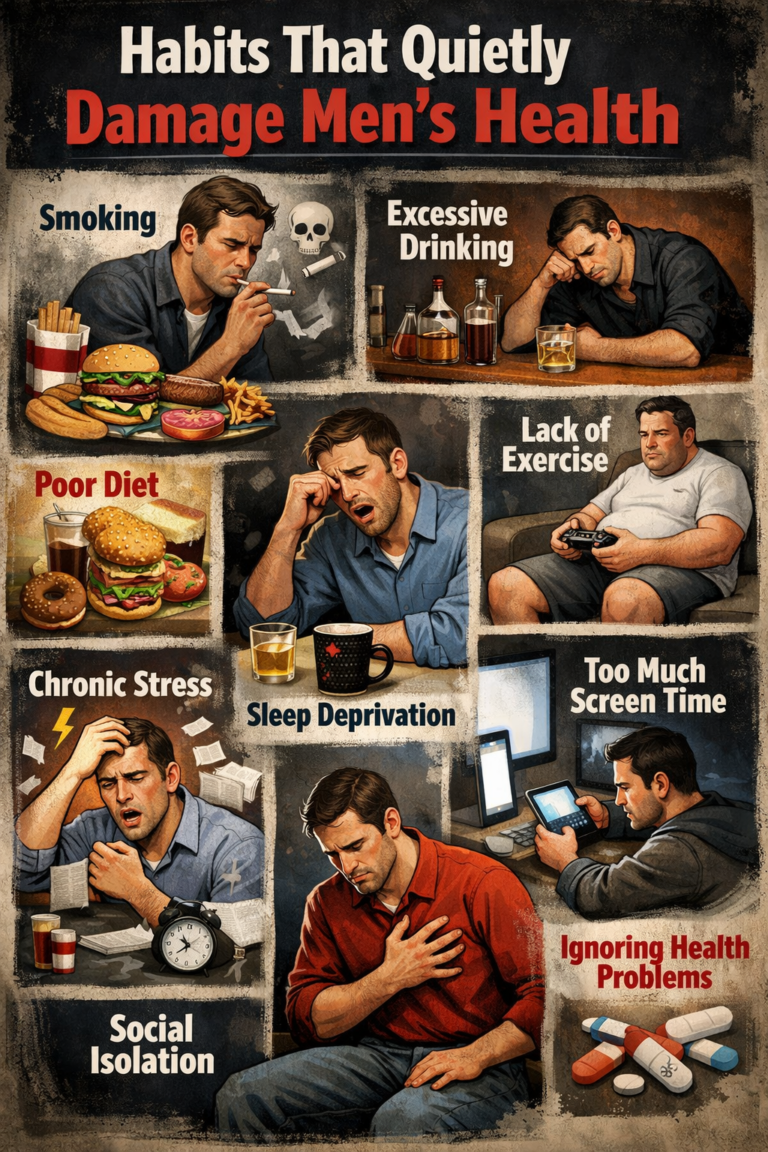
Long-term stress may also encourage unhealthy coping habits such as poor eating, smoking, alcohol use, or inadequate sleep, which can further affect overall wellness.
Poor Sleep Habits and Recovery
Sleep plays an important role in recovery and overall body function.
Unfortunately, many men sacrifice sleep because of:
- shift work
- side hustles
- screen time
- late-night entertainment
- stressful routines
- irregular schedules
Poor sleep habits may affect:
- energy
- focus
- mood
- physical recovery
- stress levels
Over time, poor rest can place additional pressure on the body and may indirectly influence hair and scalp health.
In South Africa, challenges such as load shedding and demanding work schedules often make consistent sleep even more difficult.
Nutrition and Hair Health
Healthy hair is connected to overall nutrition.
Many men with busy lifestyles rely heavily on:
- takeaways
- sugary drinks
- highly processed foods
- skipped meals
- fast food
While convenience meals may save time, poor nutrition over long periods may affect the body’s ability to maintain healthy skin, scalp condition, and hair strength.
Crash dieting or extreme weight loss efforts may also affect overall wellness and hair condition.
Nutrients That Support General Hair Wellness
A balanced diet containing:
- protein
- vegetables
- healthy fats
- vitamins
- iron-rich foods
- water
may help support healthier overall body function.
Affordable South African foods such as:
- eggs
- beans
- spinach
- fish
- oats
- peanuts
- sweet potatoes
can support healthier eating habits without requiring expensive supplements.
Dehydration and Overall Wellness
Many people underestimate the importance of hydration.
Men who spend long hours outdoors, travel frequently, or work physically demanding jobs may not drink enough water throughout the day. Over time, dehydration may affect:
- energy
- concentration
- skin condition
- overall body function
Although water alone does not prevent hair thinning, hydration supports overall wellness and healthy body function.
In hotter provinces and dry winter seasons, proper hydration becomes even more important.
Smoking and Excessive Alcohol Consumption
Lifestyle habits such as smoking and excessive alcohol use may negatively affect overall wellness over time.
Smoking may affect circulation and reduce oxygen delivery throughout the body. Heavy alcohol consumption can also affect:
- sleep quality
- hydration
- recovery
- nutrition habits
Some men turn to smoking or drinking as coping mechanisms for stress, especially during emotionally difficult periods. Unfortunately, these habits may create additional strain on the body.
Reducing harmful habits can support broader wellness goals.
Harsh Grooming and Hair Care Habits
Hair care practices also matter.
Some men regularly use:
- harsh chemicals
- excessive heat
- aggressive brushing
- tight hairstyles
- poor-quality grooming products
Over time, these habits may place strain on the scalp and hairline.
Certain barber practices or styling trends may also contribute to unnecessary tension on the hair, especially when hairstyles are extremely tight.
Using gentler grooming habits and avoiding excessive strain may help support healthier scalp care.
Emotional Impact of Hair Thinning
Hair thinning is not only physical. It can also affect emotional wellbeing and confidence.
Some men:
- avoid discussing it
- become self-conscious
- feel older than they are
- lose confidence in social settings
Social media and unrealistic beauty standards sometimes increase this pressure by creating expectations around appearance and masculinity.
It is important to remember that hair thinning is common and does not define a person’s value or masculinity.
Focusing on overall wellness, confidence, healthy routines, and self-care often matters more than chasing unrealistic appearance standards.
Small Lifestyle Habits That May Support Hair Wellness
Improving overall wellness habits may positively support hair and scalp health over time.
Prioritize Better Sleep
Creating healthier sleep routines can support recovery and stress management.
Manage Stress More Effectively
Simple stress-management habits may include:
- walking
- exercise
- journaling
- resting properly
- spending time outdoors
- speaking with trusted people
Improve Nutrition
Balanced meals and proper hydration support overall wellness.
Reduce Harmful Habits
Limiting smoking and excessive alcohol use may support healthier routines.
Use Gentler Hair Care Practices
Avoiding harsh products and excessive tension may help protect scalp health.
Preventive Wellness Matters
Many men ignore small changes in their health until those changes become more noticeable or emotionally frustrating.
Preventive wellness is not about perfection. It is about paying attention to daily habits before long-term problems develop.
Hair thinning may sometimes reflect broader lifestyle patterns such as:
- stress
- exhaustion
- poor sleep
- burnout
- unhealthy eating
- inconsistent self-care
Making healthier lifestyle choices may not create overnight changes, but small improvements over time can support better overall wellbeing.
on that note..
Hair thinning is a common experience for many men, including younger adults who may not expect these changes so early in life. While genetics often play a role, lifestyle habits such as stress, poor sleep, unhealthy eating, dehydration, smoking, and harsh grooming practices may also influence overall hair and scalp health.
For many South African men balancing work pressure, financial stress, and demanding daily routines, personal wellness is often pushed aside. However, paying attention to sleep, nutrition, stress management, and healthy routines can positively support long-term wellbeing.
Hair health is only one part of overall wellness. Building healthier daily habits can help improve confidence, energy, recovery, and quality of life over time.