Everyday Habits That Quietly Damage Men’s Health
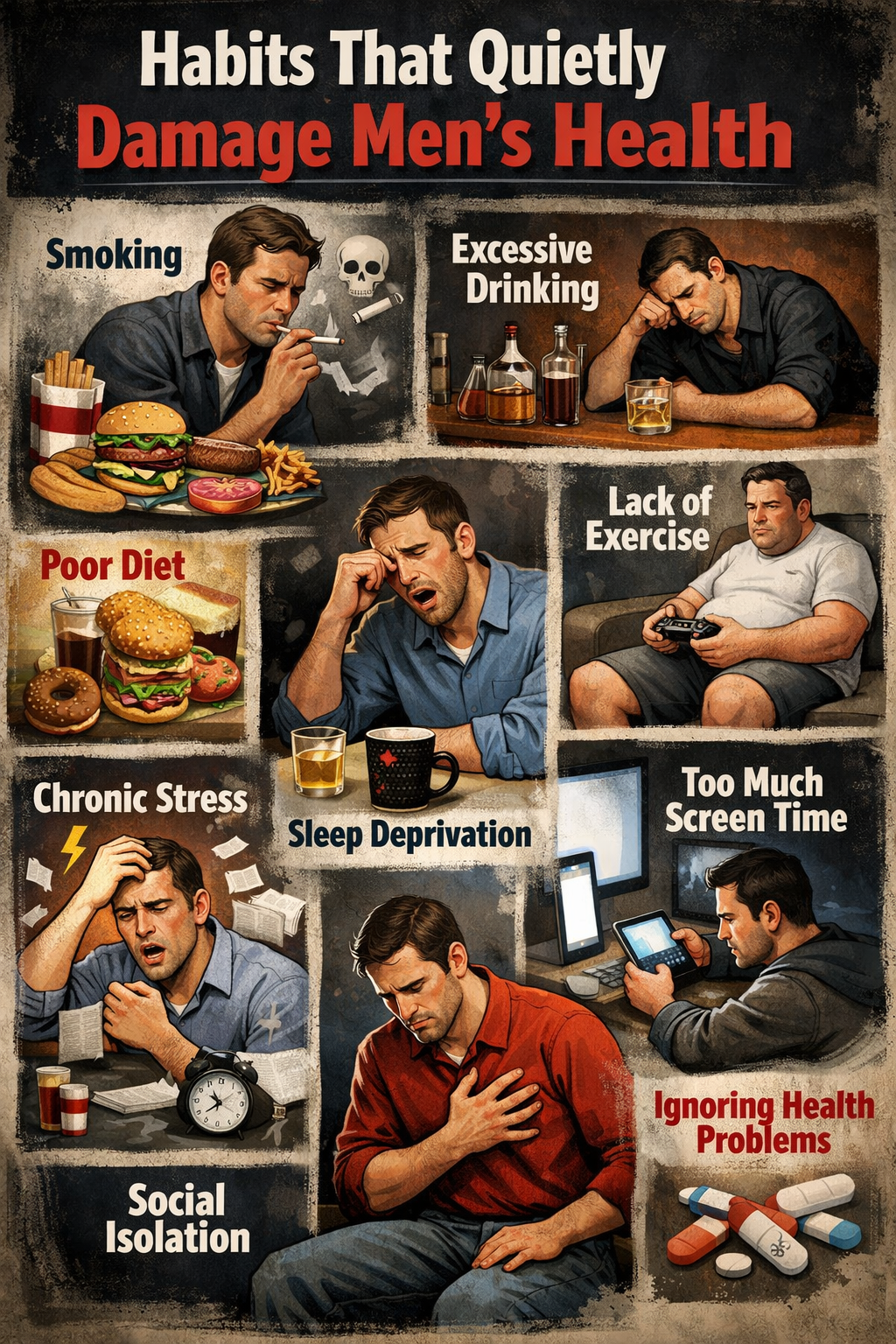
Many health problems do not begin suddenly. In many cases, they develop slowly through small daily habits that seem harmless at first. Busy schedules, work stress, unhealthy eating patterns, poor sleep, and lack of physical activity can gradually affect energy levels, mood, fitness, and overall wellness without obvious warning signs.
For many South African men, daily life is demanding. Long working hours, financial pressure, commuting, shift work, and constant responsibilities often leave little time to focus on personal health. Because these habits become part of everyday routine, they are easy to ignore.
The good news is that small lifestyle changes can make a significant difference over time. Understanding unhealthy habits is often the first step toward building a healthier lifestyle.
Regularly Skipping Sleep
Many men underestimate the importance of proper sleep. Staying awake late, waking up early for work, or sleeping only a few hours each night may seem manageable for a while, but poor sleep gradually affects both physical and mental wellness.
Lack of sleep may contribute to:
- low energy
- poor concentration
- irritability
- increased stress
- reduced productivity
- unhealthy eating cravings
In busy cities like Johannesburg, Cape Town, or Durban, long commutes and demanding work schedules often reduce sleeping time even further.
Creating a consistent bedtime routine and reducing screen time before sleep can help improve overall rest quality.
Drinking Too Little Water
Dehydration is more common than many people realize, especially among men who work outdoors, exercise regularly, or spend long hours traveling during the day.
Many people only drink water when they feel extremely thirsty, but mild dehydration can already affect:
- focus
- energy levels
- headaches
- mood
- physical performance
South Africa’s warmer weather conditions can increase water loss throughout the day, especially during summer months.
Replacing excessive sugary drinks and energy drinks with more water is one of the simplest healthy changes men can make.
Depending Too Much on Fast Food
Fast food is convenient, affordable, and widely available, especially for people with busy schedules. However, regularly eating highly processed meals may gradually affect long-term wellness.
Many common convenience meals are high in:
- sugar
- unhealthy fats
- excess salt
- processed ingredients
Over time, relying heavily on takeaways and fast foods may contribute to low energy levels and unhealthy weight gain.
Healthy eating does not always require expensive diets. Simple improvements like cooking at home more often, eating more vegetables, and reducing sugary drinks can make a noticeable difference.
Sitting for Long Hours Without Movement
Many modern jobs involve long periods of sitting, whether in offices, vehicles, security positions, or remote work environments.
Sitting for extended periods with little movement can affect:
- posture
- flexibility
- energy
- fitness levels
Some men spend most of the day:
- driving
- working at desks
- watching television
- scrolling on phones
Even short periods of movement throughout the day can help improve physical wellness.
Simple habits like:
- walking during breaks
- stretching
- taking stairs
- evening walks
can support a healthier routine.
Ignoring Stress and Mental Wellness
Many men grow up believing they should handle stress silently without discussing emotional pressure. Unfortunately, constantly ignoring stress can affect both mental and physical health over time.
Daily stress may come from:
- financial pressure
- unemployment concerns
- relationship problems
- work responsibilities
- family expectations
Some people respond by:
- isolating themselves
- overworking
- drinking excessively
- avoiding conversations about stress
Mental wellness is an important part of overall health. Taking time to rest, talk to trusted people, or participate in relaxing activities can help reduce emotional pressure.
Smoking and Excessive Alcohol Consumption
Some unhealthy habits become socially normalized over time. Smoking and excessive alcohol use are often connected to stress relief, social environments, or routine lifestyle patterns.
While occasional social drinking may seem harmless, excessive alcohol consumption and smoking can gradually affect:
- energy levels
- fitness
- sleep quality
- daily productivity
Many men only notice the long-term effects after years of repeated habits.
Building healthier coping mechanisms for stress and social pressure is an important part of preventive wellness.
Avoiding Preventive Health Habits
One of the most common unhealthy habits is simply ignoring wellness until problems become serious.
Many men delay:
- health checkups
- healthier eating
- exercise
- stress management
- lifestyle changes
because they feel “fine” in the moment.
Preventive health is not about fear. It is about making small, consistent choices that support long-term wellbeing before serious concerns develop.
Simple actions like:
- drinking more water
- improving sleep
- moving more often
- reducing stress
- eating balanced meals
can positively affect quality of life over time.
Building Better Habits Slowly
Healthy living does not require perfection. Many people fail because they try to change everything at once.
Small realistic changes are often easier to maintain:
- replacing one sugary drink daily with water
- taking short walks after work
- sleeping earlier
- preparing meals at home more often
- reducing screen time before bed
Consistency matters more than extreme short-term changes.
Lastly…
Many unhealthy habits develop quietly over time, making them easy to ignore until energy, mood, or overall wellness begins to suffer. Busy lifestyles, financial stress, and demanding routines often make healthy living feel difficult, especially for men balancing work and family responsibilities.
However, preventive wellness starts with small everyday decisions. Improving sleep, staying hydrated, reducing stress, eating balanced meals, and moving more regularly can support better long-term health and overall quality of life.
Paying attention to these habits early may help prevent bigger problems later. Healthy living is not about perfection — it is about building better routines one step at a time.