Preventive Health: Why Regular Check-Ups Matter
Good health isn’t just about eating right and exercising — it’s also about catching problems before they become serious. Regular check-ups give you the power to stay one step ahead of illness, detect risks early, and live a longer, healthier life.
In South Africa, many people only visit a doctor when something feels wrong — but prevention is always better (and cheaper) than cure. Let’s dive into why routine health check-ups are essential, what to expect, and how to make them a regular part of your lifestyle.
1. Early Detection Saves Lives
Most serious health conditions — like diabetes, high blood pressure, heart disease, and cancer — often develop quietly, with few or no early symptoms. By the time they cause discomfort, they may already be advanced.
Regular check-ups allow doctors to spot warning signs early through blood tests, screenings, and physical exams. Early detection often means easier treatment, fewer complications, and a much higher chance of recovery.
For example:
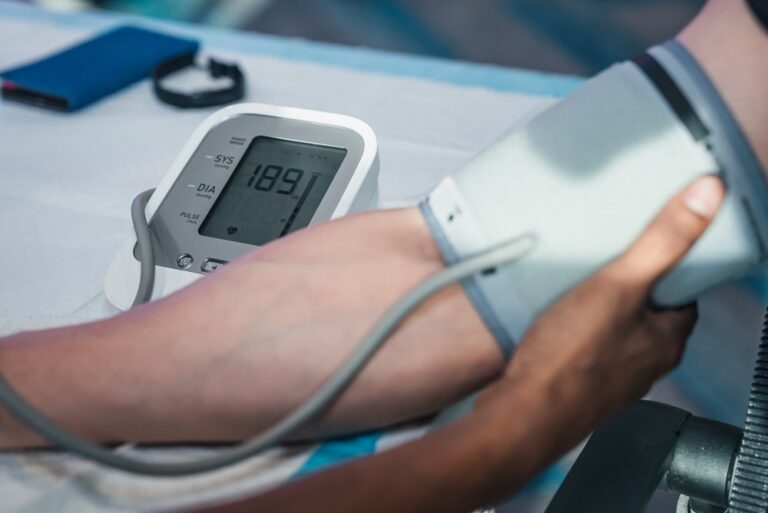
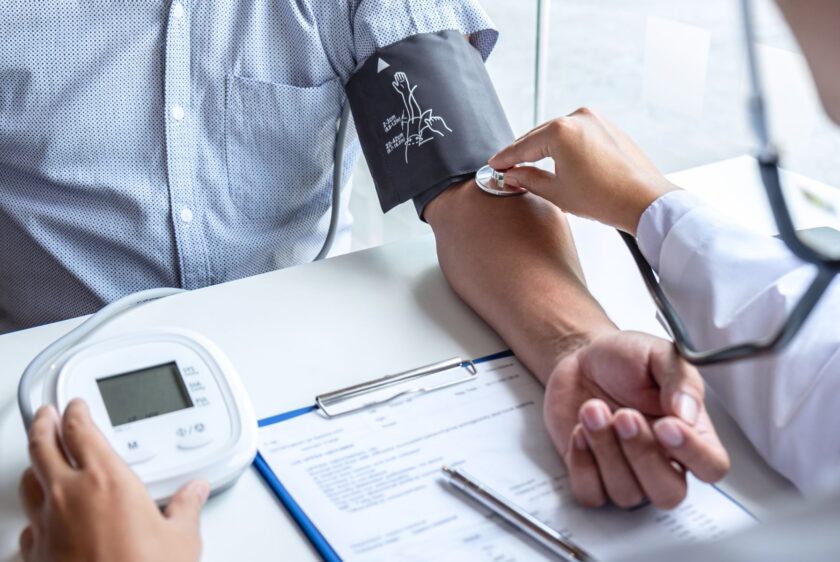
- Blood pressure tests can identify hypertension before it causes a stroke or heart attack.
- Blood sugar checks can detect prediabetes and allow lifestyle changes before diabetes develops.
- Pap smears and mammograms help catch cervical and breast cancers early — when they’re most treatable.
2. Prevent Future Health Problems
Preventive check-ups don’t just find problems — they help stop them from happening in the first place.
Your doctor can:
- Review your diet and lifestyle habits.
- Recommend necessary vaccines or supplements.
- Help you manage risk factors like weight, stress, or smoking.
By taking these proactive steps, you strengthen your body’s defenses and protect your long-term health.
3. Know Your Health Numbers
You can’t manage what you don’t measure. During a check-up, you’ll learn key numbers that reflect your overall health:
- Blood pressure
- Blood sugar (glucose)
- Cholesterol levels
- Body Mass Index (BMI)
These numbers help identify your risk for conditions like heart disease, diabetes, and obesity. Knowing them empowers you to make informed lifestyle changes before problems arise.
4. Mental Health Matters Too
Your emotional well-being is just as important as your physical health. Regular check-ups are a great opportunity to discuss stress, anxiety, or mood changes with a healthcare provider.
Many people silently struggle with burnout or depression without realizing how much it affects their body — from fatigue and sleep problems to weakened immunity.
Healthcare professionals can guide you toward counseling, relaxation techniques, or simple coping strategies to restore balance.
5. Routine Screenings for Every Age
Different stages of life require different kinds of care. Here’s a quick guide:
In Your 20s and 30s
- Annual physical exams
- Blood pressure and cholesterol checks
- Sexual health screenings (STIs, Pap smears)
- Dental and eye exams
In Your 40s and 50s
- Diabetes and thyroid screening
- Mammograms and prostate exams
- Colon cancer screening (after 45)
- Bone density tests for women approaching menopause
60 and Beyond
- Regular heart and lung function tests
- Memory and balance assessments
- Vision, hearing, and mobility checks
Preventive health care evolves with you — so keeping up ensures that your body gets the right support at every age.
6. It’s Cost-Effective in the Long Run
Many people avoid check-ups due to cost, but prevention actually saves money over time. Treating advanced diseases can be financially and emotionally draining.
Catching problems early or preventing them entirely reduces the need for expensive medications, hospital visits, and long-term treatments.
Think of it this way: investing in regular check-ups is like servicing your car — small, routine care prevents major breakdowns later.
7. Build a Relationship with Your Doctor
Regular visits help you build trust and familiarity with your healthcare provider. When your doctor knows your medical history, lifestyle, and preferences, they can provide better, more personalized care.
This relationship also makes it easier to discuss sensitive issues or notice subtle changes in your body over time.
Having a consistent healthcare partner means you’re never alone in your wellness journey.
8. Encourage Family Wellness
Making preventive health a priority sets a positive example for your family.
If you go for regular check-ups, your children and loved ones are more likely to do the same. This ripple effect can create a culture of health awareness and prevention that benefits everyone — especially in households where chronic illnesses like diabetes or hypertension may run in the family.
9. Combine Check-Ups with a Healthy Lifestyle
A doctor’s visit works best when paired with good daily habits.
- Eat balanced, nutritious meals.
- Stay active at least 30 minutes a day.
- Get enough rest and manage stress.
- Avoid smoking and limit alcohol.
Preventive care and healthy living go hand in hand — one supports the other.
10. Take Control of Your Health Journey
Regular check-ups are not just about finding diseases — they’re about empowerment. Knowing where you stand helps you make better choices and feel confident in managing your well-being.
Your body is constantly communicating with you. Regular visits to your doctor help you understand those signals and act before it’s too late.
Final Thoughts: Prevention Is the New Cure
Your health is your greatest investment. Regular check-ups give you the tools to protect it — by detecting early signs of illness, managing risk factors, and staying informed about your body.
Don’t wait for symptoms to appear before taking action. Schedule your next check-up today, and make preventive care part of your routine.
A few hours a year could save your life — and keep you feeling your best for years to come.