Common Signs Your Blood Pressure Might Be Too High (And What to Do Next)
High blood pressure is tricky because it often does not announce itself. Many people live with hypertension for years and feel completely normal. That is why it is sometimes called a silent condition. The honest reality is simple: you cannot reliably feel high blood pressure. The only way to know is to measure it.
Still, some people do notice changes, especially when blood pressure is very high, rising quickly, or when it is starting to affect the body. These signs do not prove you have hypertension, but they are good reasons to check your numbers and take it seriously.
What counts as too high
In many clinics, 140 over 90 mmHg and above is considered high for adults. Some guidelines use slightly lower cut offs. Do not get stuck debating the exact line. What matters is getting accurate readings and acting early.
The 10 signs people often notice
1. Headaches that feel unusual
Headaches are common and can come from stress, dehydration, poor sleep, or eye strain. But if you are getting headaches that are new for you, especially if they are severe, frequent, or come with other symptoms, check your blood pressure.
2. Dizziness or a light feeling
Feeling dizzy can have many causes, including low blood sugar, dehydration, anxiety, or ear problems. But it is another good reason to measure your blood pressure, especially if it happens repeatedly or suddenly.
3. Blurred vision or visual changes
If your vision becomes blurry, you see spots, or things just do not look right, do not brush it off. Vision changes can be linked to several serious problems, and high blood pressure can play a role.
4. Shortness of breath
If you feel breathless more easily than before, especially at rest or during small activities, do not assume it is just unfitness. Breathlessness can be connected to heart or lung strain and needs proper assessment.
5. Chest pain or tightness
Chest pain is not a symptom to monitor at home. It can be caused by different things, but some are emergencies. If you have chest pain, especially with sweating, nausea, weakness, or shortness of breath, seek urgent care.
6. Heart pounding, racing, or skipping
Palpitations can happen after caffeine, stress, smoking, certain medicines, or lack of sleep. But if you regularly feel your heart racing, fluttering, or skipping beats, it is worth checking both your blood pressure and your general heart health.
7. Nosebleeds that are unusual for you
Most nosebleeds come from dry air, allergies, or irritation. But if you are getting frequent nosebleeds, heavier bleeding, or nosebleeds plus other symptoms, check your blood pressure.
8. Feeling extremely tired for no clear reason
Fatigue is one of the most common symptoms in health and one of the least specific. It does not automatically mean hypertension. But persistent, unexplained tiredness is a reason to check your blood pressure and rule out other problems too.
9. Swollen ankles or feet
Swollen feet can come from standing long hours, pregnancy, heat, or certain medicines. But swelling can also be linked to heart or kidney strain. If swelling is new, worsening, or paired with breathlessness, get checked.
10. No symptoms, just risk factors
This is the most important one. Many people have no symptoms, but the risk is still there. If you have a family history of hypertension, are overweight, eat a lot of salty or processed food, drink alcohol often, smoke, have diabetes, or are getting older, you should check your blood pressure even if you feel fine.
What to do next without panic
Get a proper reading
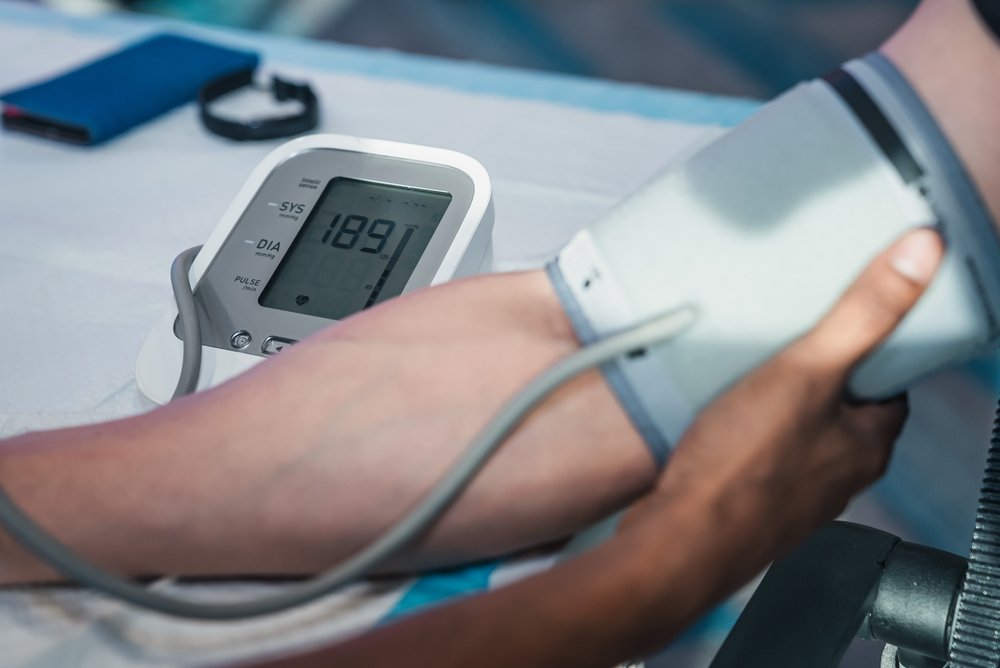
Do not rely on guessing. Get your blood pressure checked at a clinic, pharmacy, or with a reliable home monitor.
If you are checking at home, sit quietly for five minutes first. Keep your feet flat on the floor. Support your arm at heart level. Use the correct cuff size. Take two readings a minute apart and write them down.
A single high number can happen due to stress, pain, or lack of sleep. What matters is repeat readings over time.
Know when it is urgent
If high readings come with chest pain, a severe headache, confusion, shortness of breath, fainting, or vision changes, treat it as urgent and seek medical care.
Start with changes that actually move the numbers
If your readings are high, the most effective basics are reducing salty and processed foods, moving more often, working toward a healthier weight, stopping smoking, cutting down alcohol, sleeping better, and managing ongoing stress where possible.
Do not fear medication if you need it
Some people can improve blood pressure with lifestyle changes alone. Others need medication because of genetics, age, or other health conditions. Needing tablets is not failure. It is prevention.
Final thought
High blood pressure is dangerous mainly because it is quiet. If you are worried, do not wait for dramatic symptoms. Measure it, track it, and act early.
Disclaimer: This article is for general education and not medical advice. If you have concerning symptoms or consistently high blood pressure readings, see a qualified healthcare professional.