Type 2 Diabetes Warning Signs, Risk Factors, and Simple Steps to Lower Your Risk
Type 2 diabetes develops when the body stops using insulin properly and blood sugar stays higher than it should be. It often builds up slowly, which is why many people live with it for a long time before they are diagnosed. Some people have no obvious symptoms at first. That is why understanding the warning signs and risk factors matters. It helps you test early and avoid complications later.
This article is educational, not a diagnosis. If you are worried about your symptoms or risk, the most useful next step is simple: get tested.
Warning signs people often notice
These symptoms do not automatically mean diabetes. They can also be caused by other conditions. But if several are happening together, or they are new and persistent, it is worth checking your blood sugar.
1. Frequent urination
When blood sugar is high, the kidneys try to remove extra sugar through urine. That can make you urinate more often, including waking up at night.
2. Increased thirst
Urinating more can lead to dehydration, which makes you feel thirsty more often.
3. Feeling unusually hungry
Even when you eat, the body may struggle to use glucose effectively, which can leave you feeling hungry again soon.
4. Constant tiredness
Many people describe an ongoing tired feeling that does not match their activity levels. Tiredness is common in many health issues, but persistent fatigue is worth checking.
5. Blurred vision
High blood sugar can affect fluid balance in the eyes, which can cause temporary blurry vision.
6. Slow healing of cuts and wounds
If small cuts take longer to heal than usual, it can be a sign that blood sugar control is not good.
7. Frequent infections
Some people get repeated skin infections, gum problems, or thrush. Recurrent infections can have many causes, but it is a reason to test.
8. Tingling or numbness in hands or feet
Nerve irritation can happen when blood sugar has been high for a long time. This is not an early symptom for everyone, but it is important.
9. Unexplained weight changes
Some people lose weight without trying. Others gain weight over time. Weight changes alone do not confirm diabetes, but they can be part of the picture.
10. Darkened skin in body folds
Some people develop darker, thicker skin around the neck, armpits, or groin. It can be linked to insulin resistance.
If you have severe symptoms such as confusion, vomiting, rapid breathing, or extreme weakness, seek urgent medical help. Those can signal serious illness, whether or not diabetes is the cause.
Risk factors that increase the chance of Type 2 diabetes
Type 2 diabetes is not caused by one single thing. It is usually a mix of genetics, lifestyle, and body changes over time.
Common risk factors include
Being overweight, especially carrying more fat around the stomach
A family history of Type 2 diabetes
Low physical activity
Eating patterns high in sugary drinks, refined carbs, and ultra processed foods
High blood pressure or high cholesterol
Having diabetes during pregnancy, known as gestational diabetes
Polycystic ovary syndrome
Getting older, because insulin resistance tends to increase over time
Smoking and heavy alcohol use can also increase risk and worsen health outcomes
Having a risk factor does not mean you will get diabetes. It means you should take prevention and testing seriously.
Simple steps that can lower your risk
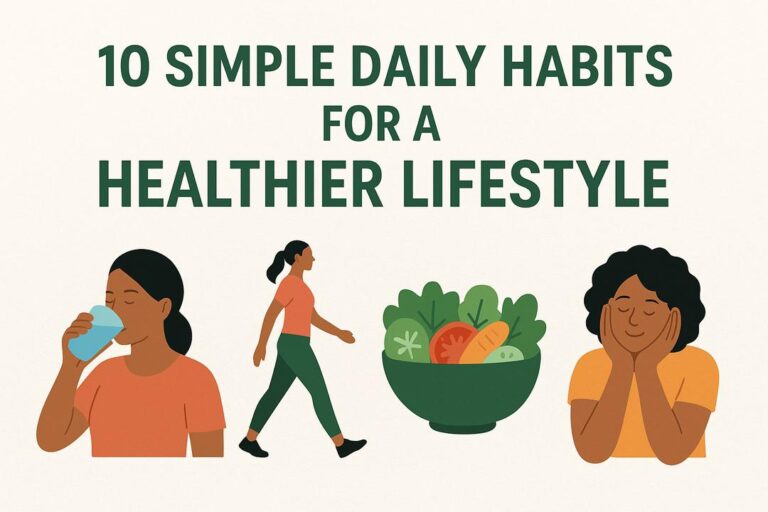
You do not need perfection to reduce risk. Small consistent habits usually beat extreme short term changes.
1. Move your body most days
Walking, cycling, dancing, home workouts, or gym sessions all count. Aim for a routine you can realistically repeat week after week.
2. Reduce sugary drinks
Soft drinks, sweetened juices, energy drinks, and heavily sweetened coffee or tea can push blood sugar up fast. Swapping to water is one of the simplest wins.
3. Build meals around whole foods
Try to make most meals include vegetables, a protein source, and a high fibre carbohydrate. Fibre helps slow sugar spikes and keeps you full longer.
4. Choose better carbs more often
Instead of relying on white bread, sugary cereals, and highly refined snacks, add more beans, lentils, oats, brown rice, whole grains, and vegetables.
5. Prioritise sleep
Poor sleep can worsen cravings, appetite control, and insulin resistance. If you struggle with sleep, improving it can make healthy habits easier.
6. Manage stress in a realistic way
Stress does not directly cause diabetes by itself, but it often pushes people into habits that increase risk. The goal is not to remove stress completely, it is to build coping tools that reduce long term strain.
7. Know your numbers and test when needed
If you have risk factors, ask for a blood sugar test during a clinic visit. Testing is not a failure. It is information.
When to consider getting tested
You should consider testing if you have ongoing symptoms such as thirst, frequent urination, fatigue, blurred vision, slow healing, or repeated infections. You should also consider testing if you have strong risk factors, even with no symptoms.
Final thought
Type 2 diabetes is common, but it is not hopeless. Many people reduce their risk with steady lifestyle changes, and many who are diagnosed live well with good treatment and monitoring. The key is not guessing. It is testing, acting early, and staying consistent.
Disclaimer: This article is for general education and not medical advice. If you have symptoms or concerns, speak to a qualified healthcare professional.